Proxies for JD Sports answer two questions at once: what does this sneaker cost in another country, and who actually sells it. On August 24, 2026, we sent jdsports.com a plain request from a home connection and from a datacenter server, and both were refused with an Akamai 403 and JD's akavpau edge cookie. The wall is Akamai, judged on the request from either address, so a real browser is required. Behind it sits a geo-priced sneaker empire that is bigger than the JD name suggests.
JD Sports is a global athletic retailer that prices by country, and in the US it is the parent of a whole family of sneaker banners. It owns Finish Line, Hibbett, DTLR, Shoe Palace and City Gear, a roughly $6 billion US business, and it is retiring the Finish Line banner by converting those stores to JD (SGB Media, JD Sports US brand consolidation). For a data project that means cross-country price arbitrage on one hand and a shared-infrastructure family of competitors on the other.
What proxies work best for JD Sports?
Residential proxies exiting in the country whose JD site you read, behind a real browser, because JD prices by country and Akamai refuses bare clients. A static ISP proxy in the account's country for launches and checkout. Datacenter proxies get the 403 on contact.
The price and the launch both follow the country
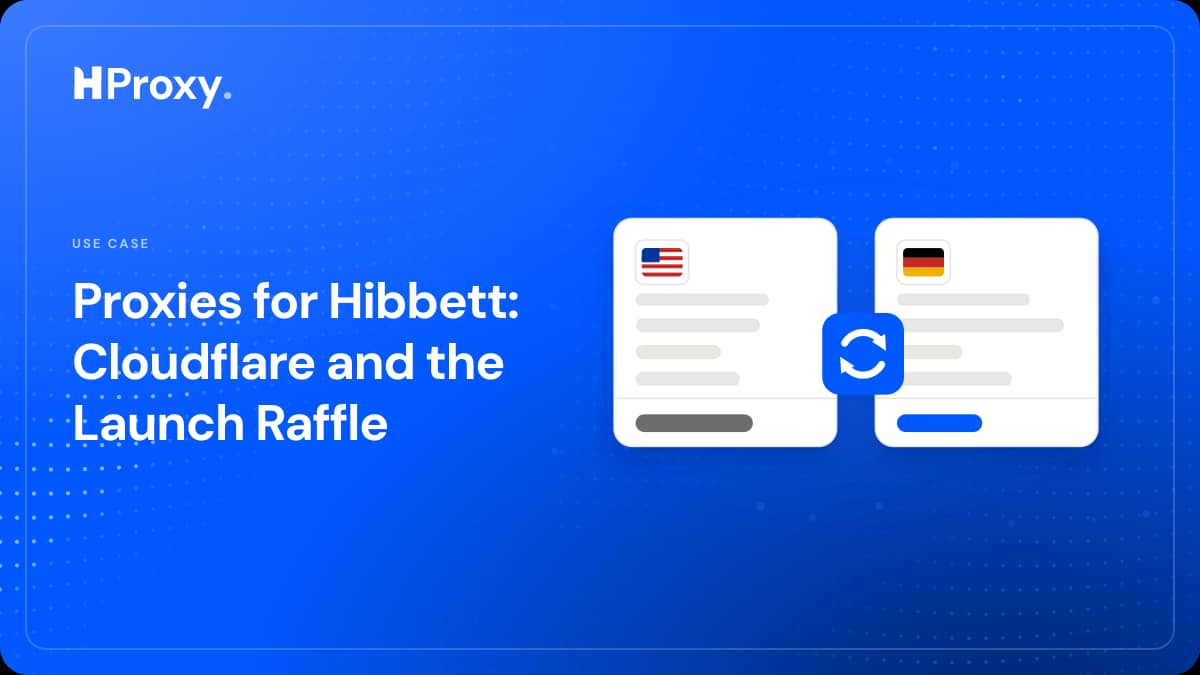
JD Sports runs a storefront per country, each in its own currency with its own assortment, allocation and launch calendar. The same sneaker can carry a materially different price, drop on a different date, or be stocked only in some markets, which is exactly what makes cross-country monitoring valuable: a reseller or an analyst wants the local price and the local release, and both come from an exit in that country. There is no global JD price, only per-country prices, so a dataset needs one row per country per product with the currency recorded, and geo-testing with proxies is how you confirm the exit lands where you intend.
Akamai does the enforcing. A sensor script sets _abck only after its data validates, and the TLS fingerprint is read before any HTTP, so a bare client fails from a clean IP (how the _abck cookie works, what is JA3/JA4 fingerprinting). The proxy gives the browser a residential address in the right country; the browser satisfies the sensor.
The US family shares allocation and infrastructure
The ownership map is a practical gift. JD owns Finish Line, Hibbett, DTLR, Shoe Palace and City Gear, so these siblings share sneaker allocation and much of their retail infrastructure. A competitor map or a monitoring pipeline built for JD usually transfers across the family, and the retirement of the Finish Line banner is the kind of rebrand that leaves stock and URLs in motion, worth tracking. The sibling banners run their own defenses (Hibbett sits behind Cloudflare, for example), so the exit and the browser stay the same while the wall changes (proxies for Hibbett).
which powers
JD Sports
- Finish Linebanner being retired to JD
- Hibbett1,169 stores, smaller markets
- DTLRurban streetwear
- Shoe PalaceWest Coast
- City GearSouthern markets
Which proxy type fits which job
| JD Sports job | Proxy type | Why |
|---|---|---|
| Cross-country price comparison | Residential, one pool per country | Per-country prices are the whole point |
| Launch date and allocation tracking | Residential in that country, sticky per session | Releases differ by market |
| Hyped launch checkout | Static ISP in the release market, one per task | Orders link on shared IP; sticky is mandatory |
| Cross-family competitor mapping | Rotating residential | Siblings share allocation; one pipeline covers them |
| Account warming | Static ISP, one per account | Each account needs a clean, stable address |
| Parser tests against saved HTML | Datacenter or free | The live site refuses bare clients |
Rotating residential IPs pass Akamai and land in the country you choose, and ISP proxies hold one address for a launch or an account. The two are contrasted in rotating vs static residential proxies.
Setup
Drive a real browser so the sensor sets _abck, and keep the cookies (proxies for Playwright). Run one residential pool per country you price, verify the exit country, and record the currency with every price. For launches, use a static ISP address in the release market, one per account and task, across subnets, and hold it from entry through payment. Reuse the browser-and-exit stack across the JD family, changing only the domain and the wall.
Sizing
Country is the first multiplier: one pool per market. Within each, find how fast one residential IP reads behind a browser before Akamai challenges it, and add exits. Launches size from tasks in the release market. Budget browser-level bandwidth (headless browser proxy bandwidth cost). Our pricing is pay-as-you-go with a balance that never expires, so pricing several markets in a burst costs only what it uses.
Free versus paid for JD Sports
The test settles it: a datacenter client with no browser got the 403 on both IPs. Free proxies confirm which country a JD domain serves and that an address is alive, which our free proxy list and proxy checker cover. Reading prices needs paid residential in each country, from $0.44/GB pay-as-you-go, behind a real browser. The line is in datacenter vs residential proxies.
Staying unblocked
- Do not retry the 403 without a browser. Akamai will keep refusing; the fix is the sensor.
- Match the exit to the country, always. A mismatched exit reads the wrong currency and flags the session.
- One clean IP per launch task and account. Shared IPs link orders across the family.
- Keep the sensor cookies. Discarding
_abckrestarts the sensor. - Watch the challenge rate per country pool. A rising 403 share means slow down or widen that pool. The full list is in avoiding IP bans while scraping.
What a proxy does not do here
A proxy lands a browser in the right country and keeps accounts apart. It does not run Akamai's sensor, does not equalize the per-country prices, and does not set your place in a launch. Scraping JD's sites runs against its terms of use, a risk that stays with you regardless of the IPs. What a country-correct residential exit does is read the local price a bare client cannot reach, and a static ISP address holds a launch on one identity across a family of sibling banners. Confirm the destinations with the free proxy list, then price each market with residential and cop with ISP from $0.44/GB.
Sources
- SGB Media, JD Sports enters new phase of US brand consolidation: the US brands, the $6 billion business, and the Finish Line banner retirement.
- Akamai, Bot Manager: the vendor behind our 403.
- Cloudflare, JA3/JA4 TLS fingerprinting: fingerprinting before the first HTTP request.
- HProxy test on August 24, 2026: plain GET requests to jdsports.com from a residential connection and a datacenter server, both returning HTTP 403 with an Akamai edge cookie.