Recommended for Multilogin
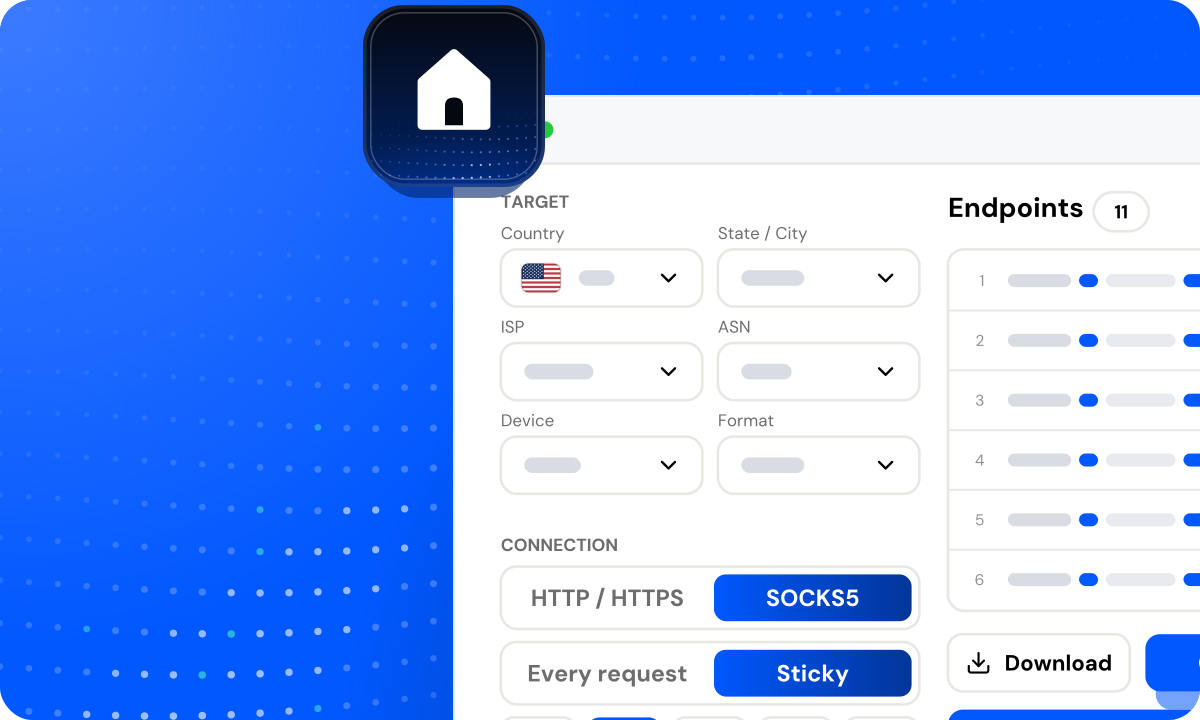
Residential
Starting at
$0.44/ GB
- Real-device IPs in 200+ countries
- Rotating or sticky sessions
- State, city and ISP targeting on Premium
- Pay per GB, balance never expires
- HTTP and SOCKS5
Antidetect · Multilogin
Multilogin solves the fingerprint. It cannot solve the address, and the address is what most platforms check first. The two halves only work together.
From $0.44/GB · pay as you go · balance never expires
What works on Multilogin
Recommended for Multilogin
Starting at
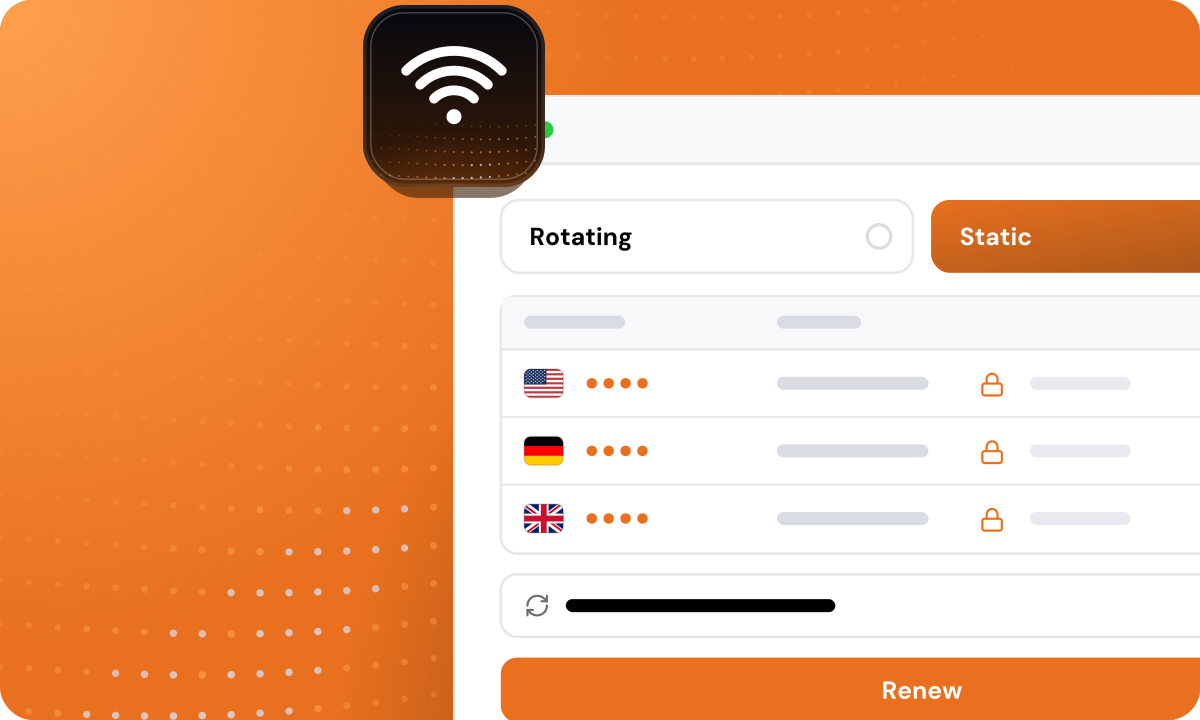
Starting at
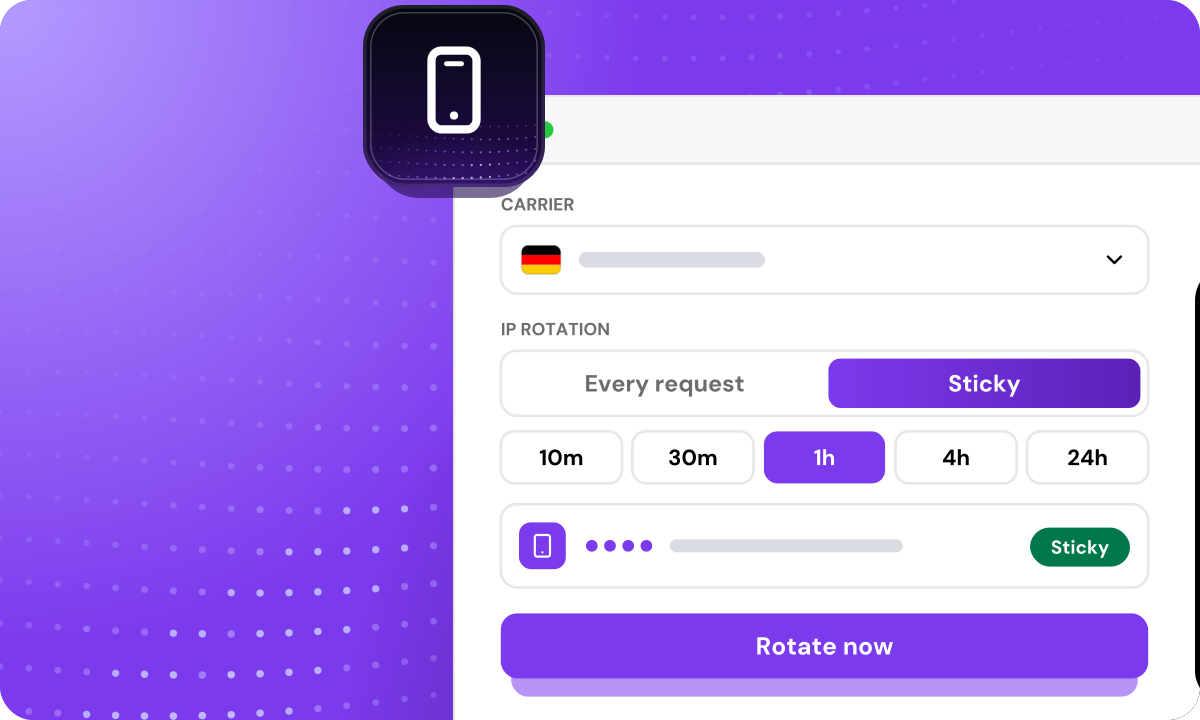
Starting at
Multilogin manages the browser: canvas, fonts, WebGL, the whole fingerprint surface. That work is real and it is not the work a proxy does. A platform that checks the network sees your actual exit regardless of how convincing the browser is.
Which means the common failure is not a Multilogin failure at all. It is a perfect fingerprint arriving from an address that already carried nine other profiles, and no browser configuration repairs that.
Multilogin is used against wildly different platforms, and they do not agree about what is suspicious. A profile touching a lightly defended site is fine on static residential; the same profile on Instagram or TikTok wants a mobile address because those platforms treat carrier IPs differently from everything else.
So the right question is never what proxies work with Multilogin. It is what the platform behind the profile is checking.
Going deeper
FAQ
Sticky residential or static ISP for most profiles, one dedicated address each, plus mobile for the strictest targets like Instagram and TikTok.
It manages the browser fingerprint, which is half the problem. Your exit address is the other half and no browser configuration changes it.
Yes. Sharing an address across profiles re-links the accounts the profiles exist to keep apart.
The terms that decide how Multilogin treats your traffic.
Browser fingerprinting
Identifying a visitor from the combination of subtle browser and device traits, a layer of detection that survives changing your IP.
Sticky session
A rotating-proxy feature that keeps you on the same exit IP for a set duration so a multi-step task can complete without the address changing underneath it.
Static proxy
A proxy that keeps the same IP address for your exclusive use over an extended period, rather than rotating it between requests.
TLS fingerprint
An identifier built from how a client negotiates encryption, used to spot automation even through a clean IP.
Browse the full glossary for every term across proxies, networking and scraping.
Residential from $0.44 per GB, pay as you go, and the balance never expires.