
Mexico Proxies · México
Buy Mexican proxies. Ready in minutes.
- Just need a few free ones? Browse the live free Mexican list.
Dedicated Mexican IPs
Three ways to hold a real Mexican address
Every price below is live. The dedicated IP products are checked against what is in stock for Mexico before this page shows them, and residential is aimed at Mexico when you generate your proxies, billed per GB.

Residential PremiumFlagship
Real Mexican household IPs, aimed down to a state, a city or a single ISP. Sticky sessions up to 24 hours, SOCKS5 with UDP, and a block list for what you want to avoid.
- A state, a city or an ISP
- Sticky up to 24 hours
- SOCKS5 with UDP
From
$1.00/ GB
Residential LiteLowest price
The same Mexican household network at the lowest per-GB rate, targeted by country rather than by city. Rotating or sticky, pay per GB, balance never expires.
- Targeted by country
- Rotating or sticky
- Balance never expires
From
$0.44/ GB

Datacenter
Dedicated Mexican IPv4 and IPv6 addresses for volume work where raw speed matters more than a residential footprint.
- Private IPs, only yours
- Unlimited bandwidth
- IPv4 and IPv6
From
$0.10/ IP
Targeting in Mexico
Mexican proxies by city, region and network
Premium lists 397 cities in Mexico across 32 regions. A line can exit in Mexico City, Tijuana, Iztapalapa and Puebla, or in any of the other 393.
Premium can also hold a line on one network, chosen by its AS number. The 136 networks it lists in Mexico include Mega Cable, Total PLAY Telecomunicaciones, Interphonet Telecom, Telecable del Mineral and Mediared Telecomunicaciones.
Mobile proxies reach Mexico too: 4G and 5G carrier addresses, sold per GB.
Counted on 9 October 2026 from the pool's own lists, the same lists the dashboard reads when it generates a line.
397
cities
32
regions
136
networks
How you use them
Rotating, sticky and SOCKS5 in Mexico.
Rotating Mexican proxies
A line generated with country MX exits from a different Mexican address on every request. Ask for count: 10 and each worker gets its own line.
How it works →Sticky Mexican proxies
Add stickyMinutes and the line holds one Mexican address for 3 to 1,440 minutes on Premium, or for as long as you keep using it on Lite.
How it works →SOCKS5 Mexican proxies
Every line answers SOCKS5 as well as HTTP, with the same credentials; Premium adds a UDP relay with udp: true.
How it works →Residential Premium
What Premium adds in Mexico
Lite reaches Mexico by country and rotates. Premium turns every one of these on, from the same balance.
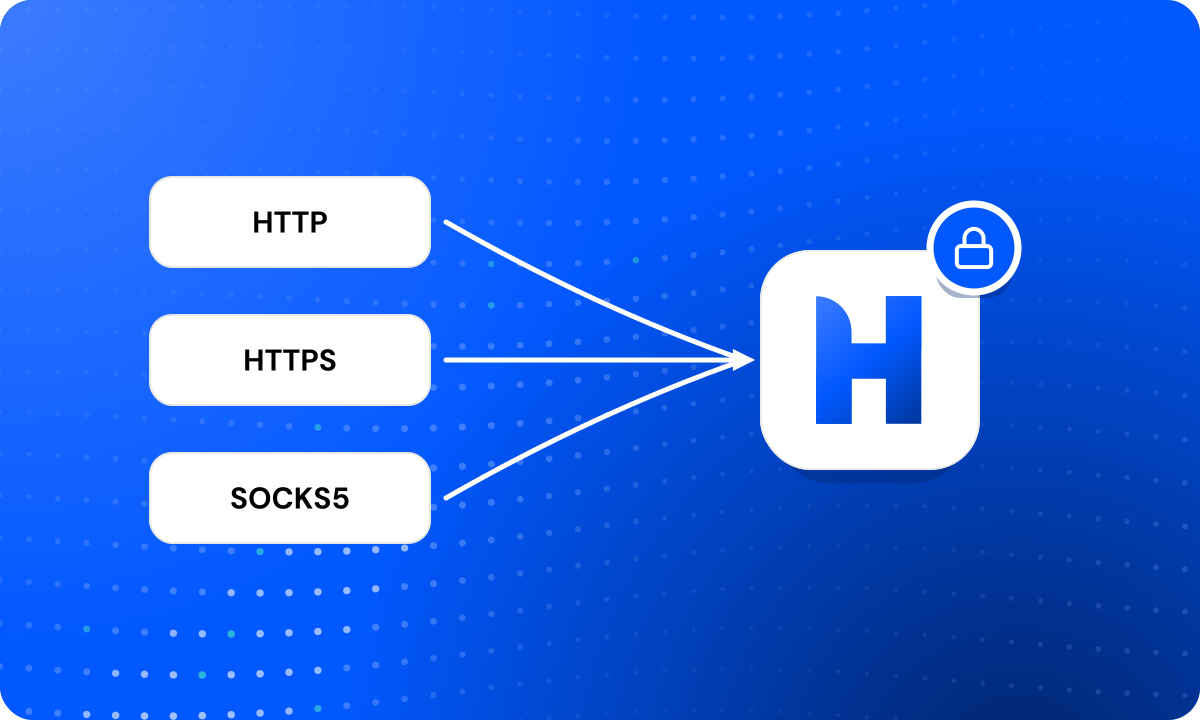
ISP targeting
13,800+ networks
State or city
26,000+ cities
Sticky sessions to 24 hours
3 min to 24 h
Device OS
4 platforms
Exclusions
Country, state, city, network
IP whitelist
No password needed
SOCKS5 with UDP
HTTP, HTTPS, SOCKS5, UDP
Per-plan statistics
30-day window
Coverage
Target Mexico down to the city
113,523 listed places, cities down to villages, in a country of 126 million people, 32 states, the capital is Mexico City. Every one of them has its own page.
Mexico by state
 Mexico CityMéxico
 JaliscoVeracruzPuebla
 GuanajuatoNuevo LeónMichoacánBaja CaliforniaChiapas
 ChihuahuaTamaulipas
 Oaxaca
 GuerreroSonoraCoahuilaSinaloa
 Querétaro
 YucatánSan Luis PotosíHidalgoMorelos
 Quintana Roo
 Tabasco
 DurangoAguascalientes
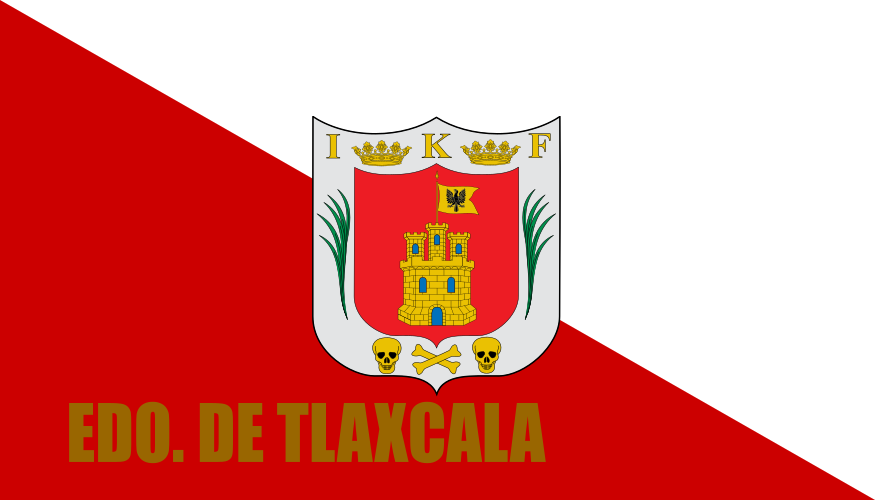 TlaxcalaZacatecasNayarit
 Baja California SurCampeche
 Colima
Biggest cities first
Working around Mexico instead? Guatemala, United States, Belize border it.
The 12 biggest listed cities marked.
Mexico on the world map.
The opposite of Brazil
In Mexico, a concentrated pool is the honest one
Our Brazil page makes the point that heavy network diversity is the signature of real residential supply there. Mexico is the mirror image, and the contrast is almost funny. Where it takes on the order of nineteen hundred networks to cover most Brazilian users, it takes about nineteen to cover most Mexican ones. Half the country sits on three networks, and roughly a third of all Mexican users are on a single one, the Telmex backbone. Mexican internet access is genuinely that consolidated.
That flips the rule you should apply when you read the live picture on our free list. In Brazil, a pool spread across many networks is the reassuring sign. In Mexico it is the reverse: a real Mexican residential pool collapses onto a few big carriers, and one that fans out across dozens of odd little networks is the one to be suspicious of. Same measurement, opposite interpretation, and it is exactly the kind of thing a buyer carrying a Brazil-shaped or US-shaped mental model gets wrong.
The work, and what we actually offer
What Mexican IPs are for
Most Mexican-IP work is commerce and search. Mercado Libre leads the market, with Amazon.com.mx, Walmart, Liverpool and Coppel behind it, so price and listing monitoring across that set is the bulk of it, alongside Spanish-language search tracking where a Mexican IP is what returns Mexican results now that google.com.mx redirects to google.com. Nearshoring has also made Mexican market and pricing data a live interest for companies moving supply chains north from Asia. The automated version runs a Mexican exit through our scraper APIs.
For Mexico we offer residential and datacenter, and you will not see ISP or mobile cards because we do not currently sell those for this country. The mobile absence has a real backdrop worth knowing: a 2025 Mexican law now ties every phone line to a national ID and is actively disconnecting lines that do not comply, so the Mexican mobile base is shrinking rather than growing. Anyone advertising a big, growing Mexican mobile pool right now is advertising against the direction of Mexican law, and we would rather show you the two products that are solid than one that is not.
Almost everything you will read is out of date
Mexico rewrote its rulebook, and most guides missed it
Mexico is a genuine trap for stale information right now. In 2025 the country abolished its independent telecom regulator, the IFT, and folded its role into a new government commission, and it replaced its data protection law and dissolved INAI, the data authority nearly every online guide still names, moving private-sector oversight to a new anticorruption ministry. So a lot of what you will read about who regulates Mexican data, and under what statute, describes a system that stopped existing more than a year ago. We flag that rather than repeat it.
The durable version is simple enough. Collecting genuinely public information is a different matter from handling personal data or crossing into a logged-in area, whichever agency currently holds the pen. We sell the Mexican footprint for legitimate work; our terms ask you to respect Mexican law and each site's rules, and anything personal is a lawyer's question rather than ours.
Trust
Who you are buying from
Same network, same team and same terms behind every page on this site, Mexico included.
Rated by paying customers

114 reviews on Trustpilot, 92% of them five-star. The badge links to the live profile, judge for yourself.
Real people, around the clock
Live chat sits on every page, bottom right. Ask about Mexico targeting before you pay and a person from the team that runs the network answers, whatever the hour.
Terms that do not trap you
Pay as you go, no subscription, and a balance that never expires. Not ready to spend? The free Mexico list is public and measured around the clock.
FAQ
Mexican proxy questions, answered
Our live free list shows the live count from our verification engine, with the networks and cities behind it. It refreshes every few minutes, so it reflects the current pool rather than a fixed number.
Residential plans support city-level targeting inside Mexico, so a session can exit in Mexico City, Guadalajara, Monterrey or wherever a task needs, subject to what is live in that area at the time.
Partly product scope, and partly the Mexican mobile market itself. A 2025 law ties every Mexican phone line to a national ID and is disconnecting lines that do not comply, so the mobile subscriber base is actively shrinking. Rather than advertise a mobile pool against that current, we offer the residential and datacenter products that are solid.
Because that is how Mexican internet is structured. Around nineteen networks cover most Mexican users, half the country sits on three, and roughly a third is on the Telmex backbone alone. So a concentrated Mexican pool is the honest signature of real supply, which is the exact opposite of Brazil, where wide network diversity is the healthy sign.
Two: rotating residential and datacenter, each confirmed against the live catalog before it shows here. We do not currently sell dedicated Mexican ISP or mobile products, so those cards are absent rather than promised. There is a real reason mobile is unusual in Mexico right now, covered above.
Mexico rewrote its data protection law and dissolved its old data authority in 2025, so much online guidance is out of date, but the durable line holds: collecting genuinely public information differs from handling personal data or entering logged-in areas. This is context, not legal advice, and anything personal is a question for a lawyer.