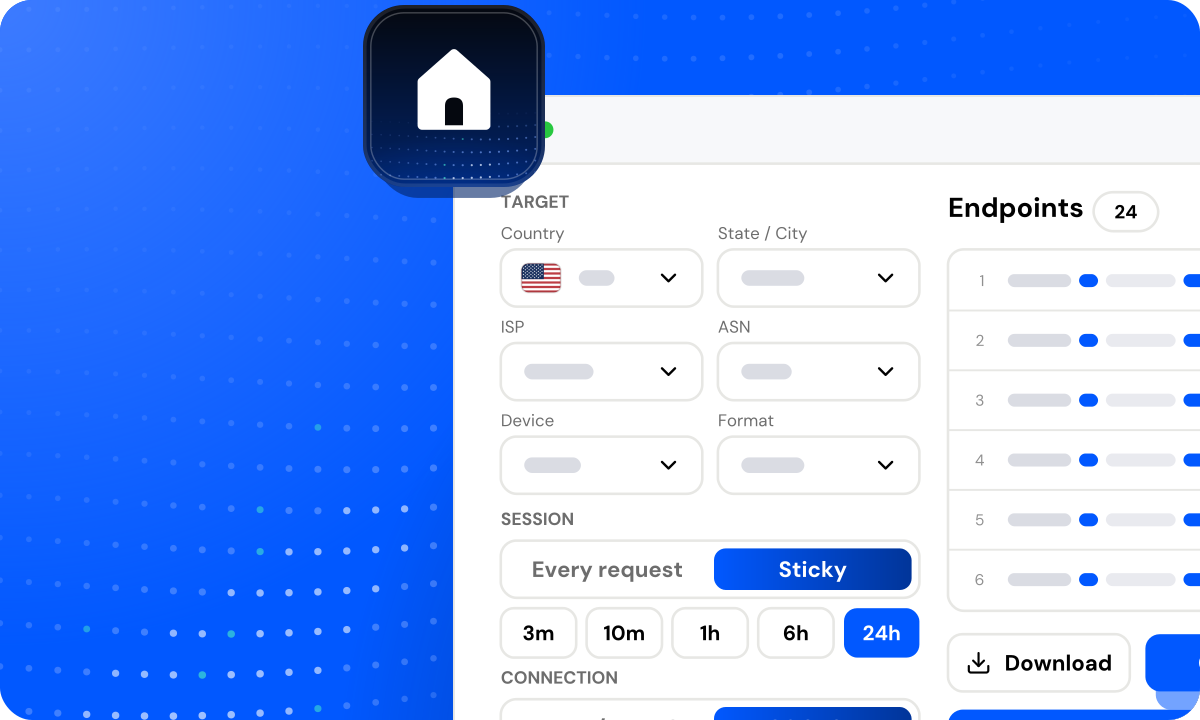
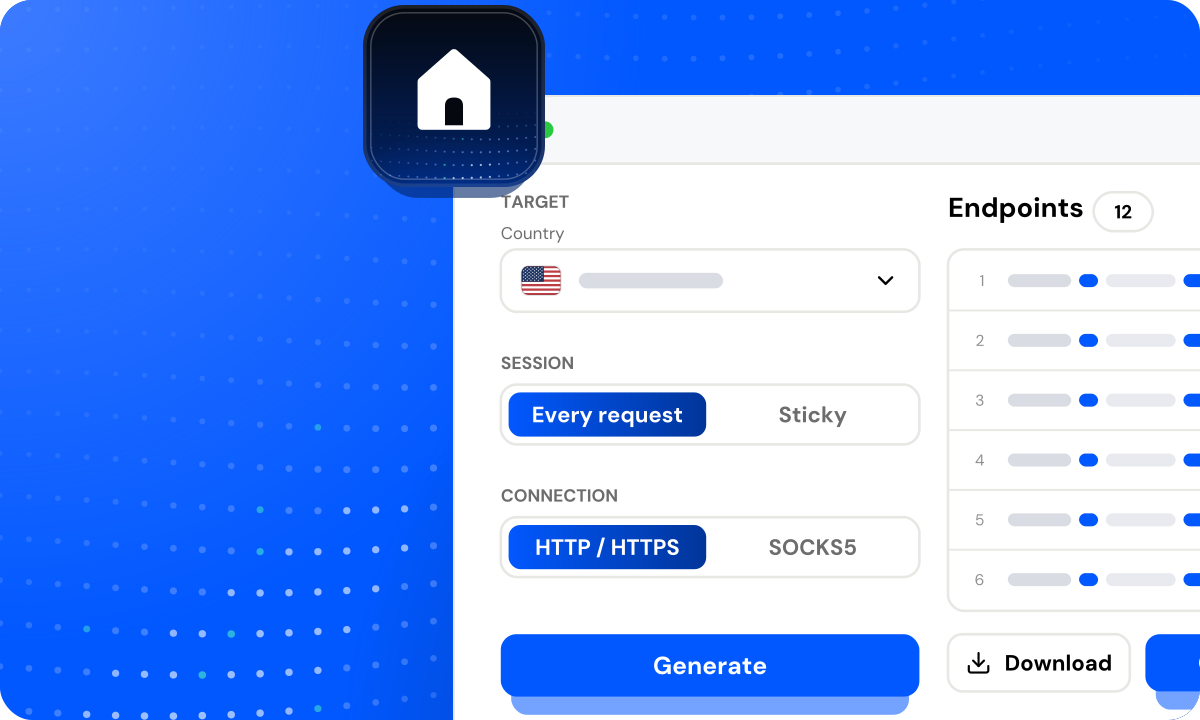
Pricing · Residential proxies
Residential proxy pricing. The whole ladder, not the headline.
Residential bandwidth is billed by the gigabyte, and the rate falls as the volume rises. Most providers advertise the bottom of that ladder and let you find the top yourself. The entire ladder is on this page.
At volume
$0.44per GB
Requires 2000+ GB
One unit, no commitment
$0.50per GB
What you pay buying the smallest order
One gigabyte of traffic through residential IPs.
Volume ladder
Every rung, not just the bottom one
This is the complete quantity to price table the checkout charges from. Work out your own rate rather than take a headline figure on trust.
The range across every pool
Entry prices in this family run $0.50-$1.80 per GB. The headline on this page comes from Residential Lite, and a dearer pool can still be the cheaper choice once you count the requests that fail on the cheap one.
The number in the headline is the bottom rung
Every residential provider in this market advertises a per-gigabyte price that requires a large commitment to reach, and most of them do not say so on the page. We publish both: the rate for one gigabyte, and the rate at the volume where it bottoms out, with every step in between.
That gap is not a trick when it is disclosed, it is just how volume pricing works. It becomes a trick when the small number is the only number on the page. We wrote a study about the industry doing exactly that, then found four of our own figures were wrong and published the corrections, which is the reason this page shows the ladder instead of a single headline.
Three pools, not one product
Residential is not a single SKU. There are three pools at different price points, and the cheapest one is not always the right one: a pool that costs more per gigabyte but gets blocked less can be cheaper per successful request, which is the number that actually matters to you.
The pool names and the internal product identifiers are inverted for legacy reasons, so anywhere a name appears on this site it comes from the catalog rather than being typed by hand. It is a small thing that would otherwise produce a confidently wrong page.
What you are not paying for
There is no monthly fee, no plan to be on, and no expiry on what you have already bought. You fund a balance and it draws down as you use bandwidth. If you stop using it for three months, the balance is still there when you come back.
That structure exists because bandwidth needs are lumpy. A scraping job that runs for two weeks and then stops should not cost anything for the ten months it is not running.
FAQ
Residential proxies pricing, answered
How much do residential proxies cost?
They are billed per gigabyte, and the rate drops as volume rises. The full ladder is published on this page, including what a single gigabyte costs, so you can work out your own rate rather than take a headline figure on trust.
Do I have to commit to a monthly plan?
No. You fund a balance and spend it. There is no subscription, nothing renews on its own, and the balance does not expire.
Why is there more than one residential pool?
Different pools have different sourcing and different block rates. A cheaper pool that fails more often can cost more per successful request than a dearer one, so the right choice depends on what you are hitting.
Does unused bandwidth expire?
No. Your balance stays until you spend it.